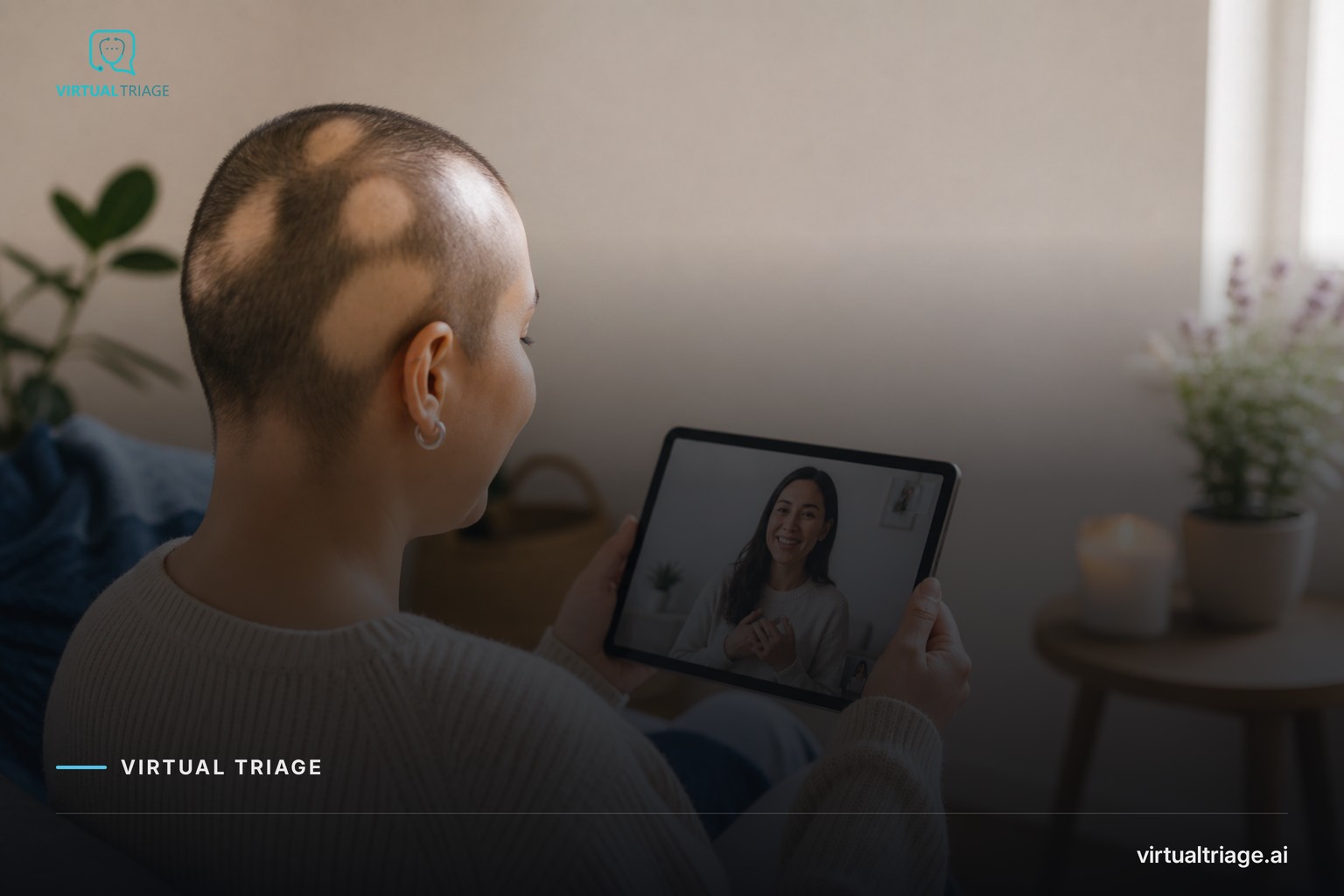
Alopecia Areata Awareness Month: Understanding and Support
Alopecia Areata Awareness Month, starting on September 1, 2026, is a crucial time to raise awareness and understanding about this condition. Alopecia areata is an autoimmune disorder that results in hair loss, and it can significantly impact those who experience it. The month is dedicated to educating the public about the condition, supporting individuals affected by it, and promoting resources for better care.
What is Alopecia Areata? Alopecia areata is characterized by sudden hair loss in patches, and it can affect anyone, regardless of age or gender. It occurs when the immune system mistakenly attacks hair follicles, leading to hair loss. While the condition is primarily known for affecting the scalp, it can also lead to hair loss on other parts of the body, including the eyebrows and eyelashes.
The Importance of Awareness
Raising awareness during Alopecia Areata Awareness Month can help:
- Educate the public about the condition and its impacts.
- Reduce stigma and misconceptions surrounding hair loss.
- Encourage those affected to seek support and professional help.
- Foster understanding among friends, family, and colleagues, which is essential for emotional support.
Common Misconceptions
Many misconceptions surround alopecia areata, such as:
- It’s just stress-related: While stress may exacerbate hair loss, alopecia areata is primarily an autoimmune condition.
- It’s contagious: Alopecia areata is not contagious and cannot be passed from one person to another.
- It’s a cosmetic issue: The psychological impact of hair loss can be profound, affecting self-esteem and mental health.
Supporting Those Affected
If you know someone with alopecia areata, consider the following ways to offer support:
- Listen and empathize: Be open to discussions about their feelings and experiences.
- Educate yourself: Understanding the condition can help you provide better support.
- Encourage professional help: Suggest they consult independent practitioners, such as dermatologists, who can provide tailored advice and treatment options.
- Participate in awareness events: Engage in local or online events during Alopecia Areata Awareness Month to show solidarity.
How Virtual Triage Can Help
At Virtual Triage, we aim to connect individuals with qualified healthcare professionals who can provide support and treatment for alopecia areata. Our platform allows users to discover and book independent practitioners specializing in dermatology and hair loss management. By accessing professional advice, individuals can explore various treatment options tailored to their needs.
Explore available professionals for alopecia areata support here.
Additional Resources
For more information and support regarding alopecia areata, consider these reputable sources:
Conclusion
Alopecia Areata Awareness Month is an excellent opportunity to foster understanding and support for those affected by this condition. By educating ourselves and others, we can help reduce stigma and provide a supportive environment for individuals facing hair loss. Remember, if you or someone you know is affected, professional support is available, and we encourage reaching out for help.
FAQ
What causes alopecia areata?
Alopecia areata is an autoimmune condition where the immune system attacks hair follicles, leading to hair loss. The exact cause is still not fully understood, but genetic and environmental factors may play a role.
Can alopecia areata be treated?
While there is no guaranteed cure for alopecia areata, various treatments can help manage the condition. It’s essential to consult a healthcare professional for personalized advice.
Is alopecia areata permanent?
Alopecia areata can be temporary or long-lasting. Some individuals may experience regrowth, while others may have ongoing hair loss. Each case is unique.
How can I support a friend with alopecia areata?
Support can include listening, educating yourself about the condition, and encouraging them to seek professional support. Participating in awareness activities can also show solidarity.
Are there any resources for alopecia areata?
Yes, various organizations provide support and information, including the National Alopecia Areata Foundation and the NHS. These resources can help those affected find the support they need.
Need fast, private care?
Get professional medical advice from qualified doctors online.
Book an online consultationTrusted sources
Ready when you are.
Book your online appointment and get the care you need.
Book your online appointment now