Practitioner Profile
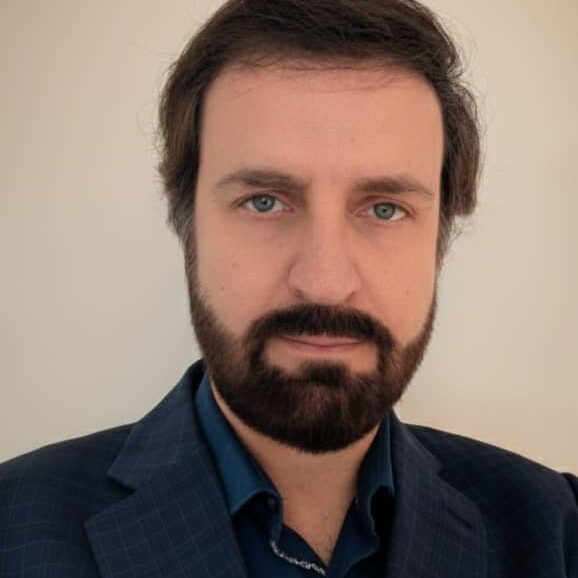
Dr. Nidal Maarouf
25+ Years
About Practitioner
I have received comprehensive training in all aspects of invasive and noninvasive adult cardiology. My training in cardiovascular medicine has included experience in percutaneous coronary intervention. In Syria my training in cardiac diseases included paediatric cardiology/grown-up congenital heart disease. I am also accredited in General Internal Medicine. I am currently employed permanently as a Cardiologist with speciality in heart failure and devices at Diana princess of Wales (DPOW), Grimsby. My current job involves an average of 3 sessions a week in the cath lab to perform angiograms and pacemakers. I have established the complex devices and heart failure services (ICDs, CRTs) in the cardiac department at DPOW which became in service in October 2013. I am with another Consultant Cardiologist the main operators and directors of this service. Last year I started the first S-ICD procedure in the hospital which made our trust the first in the region to perform such a procedure and the second DGH in the UK to do S-ICD devices. I also do 2 clinics a week for general cardiology. I am establishing one clinic for heart failure to be in the service soon as I am writing the service protocol. I am planning to start EP service with basic ablation for arrhythmia in Summer 2017. I was previously employed as Locum Consultant Cardiologist at Aintree University Hospital in Liverpool. My job involved an average of 3 sessions a week in the cath lab to perform diagnostic left heart catheterizations and pacemaker. I was also involved in establishing the complex devices services (ICDs, CRTs) in the cardiac department at Aintree University hospital. However, the service for devices was not approved yet to take off at this stage, so I had to leave for another hospital. During on-call my duty is to do ward rounds with junior doctors to supervise them and to teach them clinical cardiac management. I also have to cover all cardiac emergencies and supervise admissions and management in the CCU and ITU. However, due to the fact that the job for Cardiac Devices at Aintree was not approved to be advertised I decided to leave for a permanent job. I used to have a teaching session one a week for medical student. Previously I was employed by Good Hope Hospital in Birmingham. Due to the fact that Good Hope Hospital receives all pacemakers from two different sites (Heart of England and Solihul) I have the full responsibility to do pacemakers and devices for all sites. I was the only cardiologist at the Trust who does devises (ICD and CRT). I had run 2 clinics one of them for Heart failure. I also trained juniors on procedures and supervised their work by 2 weekly ward rounds. I had a commitment to teach medical student once a week. I trained one of the senior Consultant Cardiologists at Good hope on Devices because the demand for more than one operator is high. He started now doing ICDs and CRTS independently. I was covering on-calls one-in-six days (average) where I was responsible for covering all cardiac admissions and emergencies to Good Hope Hospital. Previously I was also employed for two years as a Consultant Arrhythmologist (Electrophisologist) at Hull and East Yorkshire Hospitals; my job plan involved an average of 3 days a week in the cardiac catheterisation laboratories to perform 1 angiogram session and 2 sessions of EP/ablation treatment with radiofrequency for cardiac arrhythmias. I had one session to perform pacemaker implantations or devices (ICDs and Bi-ventricular systems). I had 2 clinics per week, one for new patients and another one for follow up patients. There was an arrhythmia clinic every other week done by me as well. I had no general internal medicine commitments. My teaching commitment was to teach and train one SpR and one clinical fellow in EP/ablation skills. I was also responsible for training one staff grade in our department to enable him to manage, treat and deal with arrhythmia patients and to support him to gain skills in invasive EP. At St. George’s, I have gained substantial first operator experience [n>120 diagnostic EP studies and n>190 catheter ablation procedures; see next section] in the interventional management of patients presenting with all forms of tachyarrhythmia including AV nodal reentrant tachycardia (slow-pathway modification/ablation), atrioventricular reentrant tachycardia (in patients with preexcitation syndromes as well as in patients with concealed accessory pathways), typical and atypical forms of atrial flutter (cavotricuspid isthmus ablation; incisional RA reentry; LA flutter ablation), paroxysmal/persistent atrial fibrillation (pulmonary vein isolation; LA linear ablation), AF with poor rate control (compact AV node ablation), ventricular tachycardia (VT) in patients with ischaemic/structural heart disease and idiopathic VT in patients without structural heart disease (right ventricular outflow tract VT and fascicular VT). I have been actively involved in the use of contact and noncontact electroanatomical mapping systems to guide catheter ablation as first assistant in patients with complex atrial and ventricular dysrhythmias. My experience in antitachycardia pacing includes patients with supraventricular tachyarrhythmias (Intermedics Intertach/Intertach II devices), and malignant ventricular tachyarrhythmias using a variety of early and current generation, single and dual chamber implantable cardiovertor defibrillator (ICD) devices (n > 125 new implants and n > 25 revision procedures). Further experience gained in the implantation and follow-up of patients with stand-alone implantable atrial defibrillators (InControl Metrix device). I am experienced in the technique of internal DC cardioversion to treat patients with persistent AF who have failed to cardiovert with conventional external methods. I am also fully experienced in CRT implantation (>100 device + ICDs) My permanent pacing experience includes the personal implantation of more than 500 new systems, more than 50 revision procedures and active involvement in follow-up. My dual chamber pacing experience amounts to the implantation of over 350 units, including the follow-up and programming of dual chamber and dual chamber rate adaptive systems. Experience also gained in pacemaker and defibrillator lead extraction in adults using both the original Cook and the new electrosurgical dissection sheath (EDS) systems (n=16 procedures). Diagnostic Cardiac Catheterisation and Percutaneous Coronary Intervention My invasive experience includes the personal performance of more than 3000 diagnostic coronary arteriograms (Judkin), as well as 200 left and right heart catheterisation studies, since 1995, when I began my training in invasive cardiology. I am doing my angiogram mainly by using the Radial approach since 2014. In August 1997, whilst working at St. George’s Hospital, I achieved first assistant status in percutaneous coronary intervention and since then I have personally assisted in over 290 procedures (including multi-lesion/multi-vessel coronary angioplasty; and intracoronary stenting with a variety of balloon expandable stents). I have performed many of the percutaneous coronary interventional procedures as a first operator during the last stage of my training in this field. Cardiac ultrasound (Echo) Since being introduced to echocardiography in 1995, I have gained wide experience with this diagnostic modality. For two years in cardiology (in Syria) I was actively involved in echocardiography. During my first year I observed a large number of echocardiograms and Doppler studies performed by cardiac doctors. During my second year I performed two echocardiogram sessions per week. Emergency echocardiography in the coronary care unit was performed by the registrar on call whenever indicated. My experience with transthoracic echocardiography has included the performance and reporting of many hundreds of studies over the past 10 years in Syria and the UK. Also in 2003, I developed an interest in stress echocardiography using digital image acquisition. I attended and assisted in many cases over a period of 4 months at St.George’s Hospital. Paediatric Cardiology and Grown-Up Congenital Heart Disease During 2 years of cardiology training in Syria at Al-Assad and Mouassat University Hospitals I was personally responsible for the performance and reporting of more than 200 transthoracic echocardiograms in neonates, infants, children and young adults with the entire spectrum of simple and complex congenital heart disease. Under supervision I have performed a total of 40 diagnostic cardiac catheterization studies in neonates, infants and children with congenital heart disease. Miscellaneous In addition to the above I have gained much knowledge from the day-to-day care of acute and chronic adult cardiology patients at the bedside and in a variety of outpatient settings. Further exposure to cardiovascular emergencies and management has been gained during the course of daily CCU ward rounds. I conducted the Preventative Cardiology Clinic (Lipid clinic) at St. George’s Hospital for 12 months twice a week under Dr. Al-Saady. This clinic was to follow up patients for primary and secondary prevention. In 1999, I covered the Atrial Fibrillation Clinic at St. George’s once a week over 18 months under Prof. A J Camm. Furthermore, in 2002, I covered the Arrhythmia Clinic once a week over 18 months period under Dr. David Ward. I am proficient in a wide range of bedside practical procedures including central venous cannulation; temporary cardiac pacing; Swan-Ganz catheterisation; arterial line insertion; pericardiocentesis and paracentesis; chest drain insertion; and lumbar puncture. Summary of invasive procedures performed in adult cardiology (Figures current to end Oct 2011) Diagnostic Electrophysiology Electrophysiological studies VT stimulation studies Catheter Ablation Slow-pathway modification Accessory pathway ablation AV node ablation Atrial flutter – typical Atrial flutter – atypical Atrial tachycardia Atrial fibrillation Redo AF ablation Normal heart VT ablation VT in patients with SHD Internal DC cardioversion femoral approach Device therapy Single chamber PPM Dual chamber PPM Multisite PPM (DDTA/DDTV) PPM system revisions ILR procedures ICD implantation Primary and secondary Revision CRT CRT-D Lead extraction Miscellaneous Cardiac catheterisation studies/interventions Diagnostic coronary arteriography Judkins Radial Graft restudy procedures Left and right heart studies Endomyocardial biopsy procedures Percutaneous coronary intervention Single vessel PTCA Multivessel PTCA Stents deployed Intra-aortic balloon placement *Percutaneous mitral commissuroromy Pericardiocentesis Overseas Experience - Syria During three years in internal medicine I gained experience in the specialties of endocrinology, pulmonary disease, gastroenterology, haematology, cardiology, neurology, rheumatology and psychiatry, and emergency room and the ICU. Throughout the 3 years I was on a one-night-in-three on-call rota and I gained experience in a wide range of emergency general medical problems. I joined the cardiology department in Mouassat & Assad University hospitals as a registrar in 1995. Both, Assad & Mouassat hospitals, are the main teaching hospitals in Damascus (640 beds in each). The cardiac department is run by 6 consultants. All cardiological investigations and interventional cardiology is performed including cardiac catheterisation, angioplasty and valvuloplasty. Highly advanced radiology, pathology and cardiac surgery departments support the cardiology service. As one of six registrars I had a very active clinical role, with responsibility for the management of in-patients both on the wards and in a one-in-three on-call rota assessing emergency admissions, inserting temporary pacemakers, managing cardiac arrests and reviewing patients with cardiological problems from other specialties within the hospital, including pre and post operative cardiac assessments. My duties also included reporting ECG and 24 hour Holter recordings and attending two outpatient sessions per week. Procedure Skills in Cardiology Stress Tests During 6 months of my training as a registrar in cardiology, I was required to attend and supervise the performance of exercise stress tests two sessions per week. At Assad Hospital I was on call for any problems that the senior house officer or the technical staff might encounter. Assessment of the patients in the outpatient clinic, on the wards and prior to coronary angiography frequently required reviewing the electrocardiographic recordings obtained during exercise stress testing. I have supervised or analysed the electrocardiographic results of more than 200 stress tests. Echocardiography As mentioned above, for two years in cardiology I was actively involved in echocardiography. During my first year I observed a large number of echocardiograms and Doppler studies performed by cardiac doctors. During my second year I performed two echocardiogram sessions per week. Emergency echocardiography in the coronary care unit was performed by the registrar on call whenever indicated. Invasive Cardiology I performed 120 coronary angiograms, including left ventriculography; 175 right heart studies, with assessment of pulmonary capillary wedge pressure, valvular functions, and cardiac output. During my final six months at Assad Hospital I also assisted during stent placements. MD Thesis (University of London) Title: Mitochondrial DNA in Atrial Fibrillation My M.D. thesis has involved the genetic study of atrial fibrillation. I have analysed 80 cardiac tissues and biopsies. In addition to preparing samples I had to perform DNA extraction, Polymerase Chain Reaction (PCR) and electrophoresis study. I applied three methods to study the mitochondrial DNA including: Long range PCR, short range PCR, and fluorescent PCR. The thesis was supervised by Prof A John Camm and Nicholas Carter (Head of Genetic and Molecualr Medicine at St George’s Hospital, London University). [Status: work completed, abstracts/papers published/presented, thesis was granted in 2004] Researches and abstracts: 1. Maarouf N, Aytemir K, Gallagher M, Yap YG, Camm AJ, Malik M. Is QT dispersion heart rate dependent? What are the values of correction formulas for QT interval? (abstr)J Am Coll Cardiol. 1999;33(Suppl A):113A–114A 2. Owen Obel, Aytmir K, Luddington L, Maarouf N, et al. The effects of ventricular rate and rhythm on the velocity and magnitude of left atrial appendage flow in patients with atrial fibrillation (Abstract). PACE, Vol 22, Part II, 710, 1999. The abstract was presented at North Amercian Society for Pacing and Electrophysiology meeting “NASPE” in Los Angeles, 1999. 3. Owen Obel, Aytmir K, Luddington L, Maarouf N, et al. The Relative Effects of Ventricular Rate and Rhythm on Ejection Fraction in Patients With Atrial Fibrillation (Abstract). PACE, Vol 22, Part II, 842, 1999. The abstract was presented at North Amercian Society for Pacing and Electrophysiology meeting “NASPE” in Los Angeles, 1999. 4. Al-Saady N, Gurtu, Luddington L, Davies M, Maarouf N, et al. Tissue factor and von Willebrand factor expressions increased in the atria of the fibrillating atrium. (abstr) suppl. Heart, Aug 99, Vol 20, ISSN 1. (The abstract was presented at the XXIst Congress of the European Society of Cardiology, Barcelona, Spain. The same abstract was presented at the 72ND Scientific Sessions American Heart Association (AHA 99), November.) Paper in press. 5. Maarouf N, Al-Saady, Syrris P, Carter N, et al. Mitochondrial DNA deletions in the fibrillating atria are largely present but may not necessarily be of pathologic significance (Abstract). PACE, Vol 23, Part II, 617, 2000. The abstract was presented at North Amercian Society for Pacing and Electrophysiology NASPE meeting in the USA, 2000. 6. Kongsgaard E, O’Callaghan P, Maarouf N, Rowland E. Comparison of different monitoring modes for radiofrequency ablation using a novel pulsed energy system. Europace Suppl Vol 1, July 2000 (The abstract was presented at the 12th International European Congress in Cardiac Electrophysiology, Cardiostim 2000, France.) 7. Yap Y, Aytemir K, Xiao-Hua G, Maarouf N, et al. P-Wave Signal-Averaged Electrocardiogram Stratifies Cardiac Patients at Different Risk of Developing Atrial Fibrillation. Europace Suppl Vol 1, July 2000 (The abstract was presented at the 12th International European Congress in Cardiac Electrophysiology, Cardiostim 2000, France.) 8. The relationship between the CRP levels and severity of ischemic heart disease. The research was finished but not published. 9. Maarouf N, Al-Saady N, Syrris P, et al. Mitochondrial DNA deletions correlate significantly with increased LA size in patients with atrial fibrillation (abstract). PACE, Vol 24, Part II, 624, 2001. (The abstract was presented and accepted for an oral presentation at the 22nd Annual Scientific Sessions of North American Society of Pacing and Electrophysiology NASPE, San Diego, USA, May 2001.) 10. Batchvarov V, Hnatkova K, Graham M, Aytemir K, Maarouf N, Waktare JEP, Camm AJ, and Malik M. Physical exercise affects differently the non-dipolar QRS and T wave components in healthy subjects and cardiomyopathy patients (Abstract). Pacing Clin Electrophysiol 24: 653, 2001 11. Maarouf N, Al-Saady N, Qayyum S, et al. Post-operative Atrial Fibrillation might be predisposed by Increased Mitochondrial DNA Deletions. Supp II, Circulation Vol 104, No 17, OCT 23, 2001 (The abstract was accepted for an oral presentation at the Scientific sessions American Heart Association in Anaheim, California, USA, Nov 11-14 2001.) 12. Al-Saady NM, Haven AJ, Maarouf N, et al. Von Willebrand and tissue factor expressions increased in the atrial tissue of the fibrillating atrium. (abstr)J Am Coll Cardiol. 2001;37(Suppl A):113A 13. Maarouf N, Arno G, Carter N, et al. In the fibrillating atria the mitochondrial DNA sublimons are significantly correlated with both left atrial diameter and atrial fibrillation duration. Europ H Journ Vol 24, (abstr) Suppl, ISSN 0195-668X, Aug/Sep 2003. (The abstract was presented at the European Cardiac Society meeting in 2003 in Vienna.) 14. Maarouf N, Arno G, Carter N, et al. Quantification of Mitochondrial Sublimons in Human Fibrillating Atria. Medical Research Society, Nov 2003 (Science & Medicine Conference November 2003, at the Royal College of Physicians in London.) 15. Yousef S, Maarouf N, AL-Saady N, Camm J. Modulation of 5-hydroxytryptamine 4 (5HT4) receptor isoform expression predisposes to atrial fibrillation after coronary artery bypass surgery. The abstract was presented at the American Society of Human Genetics. Nov 4-8, 2003,USA, Los Angeles. 16. Yusuf S, Finke C, Maarouf N, Mayr M, Mandal K, Jahangiri M, Poloniecki J, Delageourgou C, Xu Q, Carter N, Camm AJ. 5HT4 (5-Hydroxytryptamine) receptor mRNA processing in favour of the 'b' isoform correlates with left atrial dilatation and may predispose to atrial fibrillation (AF) after coronary artery bypass surgery (CABG). (Accepted to the ACC meeting in Washington DC, 2003.) Publications 1. Aytemir K, Maarouf N, Gallagher M, et al. Comparison of formulae for heart rate correction of QT interval in exercise electrocardiogram. (PACE 1999; Vol 22, No.9: 1397-1401), (An abstract of this research was presented at ACC 1999.) 2. Maarouf N, and Rowland E. What makes patients vulnerable to VT/VF?. Paper in the European Heart Journal, Vol 5, Supplement I, 122-127. Dec, 2003 3. Maarouf N, Arno G, Syrris P, et al. Quantification of mitochondrial sublimons in human fibrillating atria. (Paper in Clin Sci (Lond). 2004 Jun; 106(6):653-9). 4. Obel O, Luddengton L, Maarouf N, et al. The Effects Of Ventricular Rate And Regularity On The Velocity And Magnitude Of Left Atrial Appendage Flow In Atrial Fibrillation. (Paper in Heart. 2005 Jun; 91(6): 764-8. 5. Cleland TG, Tageldien A, Maarouf N, Hobson N. Patients with heart failure who require an implantable defibrillator should have cardiac resynchronization routinely. 94(8):963-6. 6. Cardiac Resynchronisation Therapy (Book chapter). Professor John GF Cleland, Dr Ahmed Tageldien, Dr Nidal Maarouf, Dr Neil Hobson Crawford, DiMarco, and Paulus' Cardiology publication, 3rd Edition (in press). Presentations - Mitochondrial DNA deletions in the fibrillating atria are largely present but may not necessarily be of pathologic significance. North Amercian Society for Pacing and Electrophysiology NASPE meeting in Boston, USA 2000.) - Post-operative Atrial Fibrillation might be predisposed by Increased Mitochondrial DNA Deletions. Scientific sessions American Heart Association in Anaheim, California, USA, Nov 11-14 2001. - Cryo-ablation technique in anteroseptal accessory pathway London Electrophysiology Group, National Heart & Lung Institute. London, April 2003 - In the fibrillating atria the mitochondrial DNA sublimons are significantly correlated with both left atrial diameter and atrial fibrillation duration. The European Cardiac Society meeting in 2003 in Vienna. The same study was presented to the Science & Medicine Conference November 2003, at the Royal College of Physicians in London. Information Technology Skills I am proficient in the day-to-day use of a variety of commercially available word processing, data-basing, statistical and presentation software programs in Windows PC environments. I am also familiar with the applications and uses of various scientific literature search engines including Medline/PubMed, both in CD-ROM and internet formats. I am a holder of ICDL certificate
Specialties
Qualifications
Languages Spoken
No reviews yet
Be the first to leave a review after your appointment.